Why Evidence Collection Is Critical for a Bicycle Accident Lawyer Case
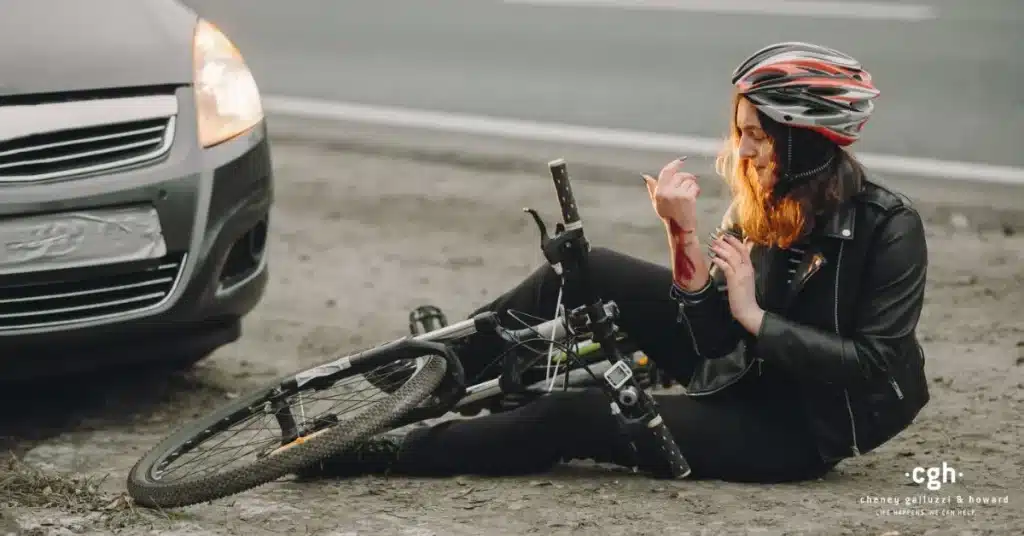
A bicycle crash can unfold in seconds and linger for months or years. One missed stop sign, one driver opening a door into a bike lane, one delivery van edging too far into a turn, and a rider is suddenly dealing with surgery, lost wages, a damaged bike, and a hard question: how do you prove what happened?
That question sits at the center of nearly every legal claim arising from a cycling collision. Pain matters, medical treatment matters, and liability matters, but none of those issues can be fully developed without evidence. In practice, the strength of a case often turns less on what the injured rider remembers and more on what can be preserved, documented, and explained before the facts begin to blur.
A seasoned Bicycle Accident Lawyer understands this immediately. The early days after a crash are not just about filing insurance forms or scheduling doctor visits. They are about protecting the record. Tire marks fade. Witnesses move on. Surveillance footage gets overwritten. Damaged gear is thrown away. A driver who apologized at the scene may tell a very different story two weeks later. If evidence is thin, even a serious injury case can become a dispute over competing versions of events.
That is why evidence collection is not a technical side issue. It is the backbone of the case.
A bicycle accident case rises or falls on proof
In many injury claims, there is a built-in imbalance. The cyclist is often the more vulnerable road user, but that does not mean the legal system automatically accepts the cyclist’s account. Insurance carriers and defense counsel usually examine these cases with skepticism. They look for openings. Was the rider visible? Did the rider leave the bike lane? Was the rider speeding downhill? Did the rider signal? Was the driver actually at fault, or did the cyclist contribute to the collision?
Without credible evidence, those questions can shift the entire case.
This is especially true because bicycle crashes rarely look as simple as they feel to the person who was hit. A rider may have a clear memory of a car turning across their path, yet if the intersection layout is confusing and there are no photos, the defense can suggest a different angle, a different signal phase, or a different lane position. A jury, adjuster, or mediator sees only what can be shown, not what was felt in the moment.
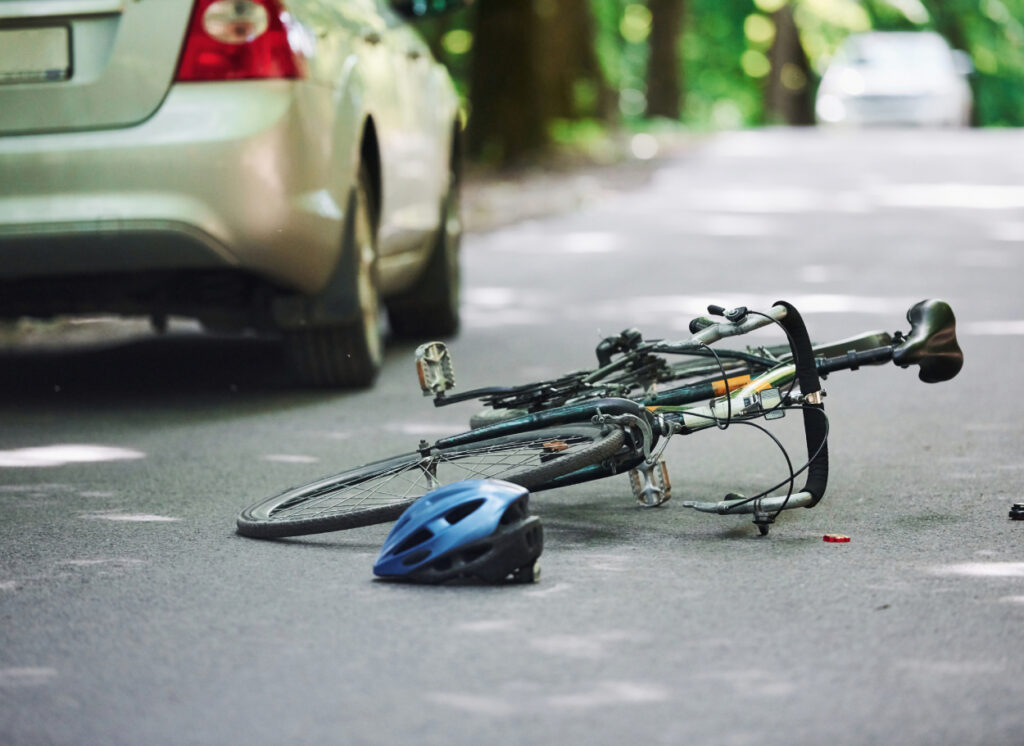
Proof also shapes value, not just fault. Medical records alone do not always tell the whole story. A fractured wrist means something different when paired with photographs of a mangled carbon fork, a bloodied helmet, and an intersection camera showing the force of impact. Evidence gives context. It transforms an abstract claim into a concrete event.
The scene changes fast, and lost evidence rarely comes back
One of the hardest parts of these cases is how quickly useful information disappears. Roads reopen. Debris gets swept away. Rain washes out skid patterns. Businesses record over video within days. Drivers repair vehicle damage. Smartwatch data is overwritten. Even something as simple as a torn jersey or cracked taillight can vanish because an injured person, understandably, is focused on recovery rather than preservation.
I have seen cases where a small piece of missing proof made a major difference. In one scenario, a rider insisted a driver drifted into the shoulder and clipped the handlebars. The vehicle later showed no obvious side damage, and the insurer denied contact. What changed the claim was not a dramatic witness statement. It was a close-up photo taken at the scene showing paint transfer on the bar end and a matching scrape near the passenger-side wheel well. That sort of detail sounds minor until it becomes the detail that anchors the entire sequence of events.
The reverse happens too. Cases with genuine injuries can become expensive uphill battles because no one secured the obvious evidence early enough. A nearby apartment building may have had a camera facing the corner. A transit bus may have passed at the exact moment of impact. A driver’s first recorded statement may have contained an admission that later disappeared from the story. If no one moves quickly, those opportunities are https://manuelzqfo670.iamarrows.com/bicycle-accident-lawyer-advice-for-dealing-with-adjusters lost.
This urgency is one reason people often seek out a Bicycle Accident Lawyer soon after the crash. It is not simply about filing a claim. It is about preserving facts before they evaporate.
Liability in cycling cases is often more technical than people expect
Many bicycle accident claims involve legal and factual nuance that does not appear in ordinary conversation. A driver may say, “I never saw the cyclist,” as if that ends the matter. Legally, it can point in the opposite direction. A driver has a duty to keep a proper lookout. But to prove that breach in a compelling way, the lawyer usually needs more than a general accusation. They need the roadway geometry, line of sight, lighting conditions, traffic control devices, point of impact, and often the movement paths of both parties.
Dooring cases are a good example. A parked driver opens a car door into a cyclist’s lane of travel. On the surface, it seems straightforward. Yet disputes still arise. Was the cyclist riding too close to parked cars? Was there enough room to avoid the door? Did the rider leave a designated bike lane? Was the door already open long enough to be visible? A few inches in lane position, a few seconds in timing, or one obstructed sight line can change the analysis.
Left cross collisions and right hook collisions are equally fact sensitive. In a left cross, an oncoming driver turns left across the cyclist’s path. In a right hook, a driver passes a cyclist and then turns right too closely. Both patterns are common, and both depend heavily on timing, speed, and visibility. Good evidence allows reconstruction. Weak evidence invites speculation.
Road defect cases introduce another layer. A pothole, broken pavement seam, poor drainage grate, or dangerous construction setup may have caused or contributed to the crash. Those claims require proof not just that a defect existed, but where it was, how large it was, whether the responsible entity had notice, and whether the condition violated applicable standards or created an unreasonable hazard. A city crew may patch the defect the next day. If no one measured it, photographed it, and identified its exact location, the case becomes much harder.
What the strongest evidence usually looks like
The best bicycle accident cases are not built on one dramatic piece of proof. They are built on layers. A police report may provide a starting point, but it is rarely enough by itself. Officers do not always witness the collision. Reports can contain shorthand, omissions, or misunderstandings about cycling dynamics. They matter, but they are only part of the record.
What tends to move a case is a combination of evidence that supports the same story from different angles. Photographs from the scene can show lane markings, weather, damage, debris, helmet strikes, and the resting position of the bicycle. Medical records can link the mechanics of the collision to the injuries. Witness statements can confirm signal changes, lane movement, or driver behavior just before impact. Electronic data can add timing and speed context. Vehicle damage patterns can show contact points. Together, these details reduce ambiguity.
Some of the most persuasive evidence is deceptively ordinary. A timestamped image of the sun angle may support a visibility argument. A receipt from a bike shop can establish the value and pre-crash condition of a damaged bicycle. A fitness app log can help establish route, pace, and stopping points. A photograph taken ten minutes after the collision may be more useful than a polished summary written a month later.
There is also a difference between collecting evidence and collecting usable evidence. Blurry photos, incomplete names, and vague recollections rarely carry the same weight as organized, authenticated material. A good lawyer knows how to turn raw information into evidence that can withstand scrutiny from an insurer, mediator, or jury.
Witnesses help, but only if their memories are captured properly
People tend to overestimate witness reliability in the abstract and underestimate how fast memory degrades in real life. A pedestrian who saw the impact may feel certain at the curbside, then become unsure after discussing it with others, reading a police report, or simply going back to daily life. Days matter. Sometimes hours matter.
That does not mean witnesses are unreliable by nature. It means their observations need to be preserved with care. Names and phone numbers are the starting point, not the finish line. The location of the witness, what they were doing before the crash, what drew their attention, what they actually saw versus assumed, and whether anything obstructed their view all matter. In a contested bicycle accident case, precision matters far more than confidence.
A Bicycle Accident Lawyer often looks beyond the obvious witness list. The person who helped the rider off the pavement may not have seen impact, but may have heard the driver say, “I was looking for parking.” The barista near the corner may know the traffic pattern and confirm that cars routinely cut through the bike lane there. The delivery driver behind the defendant’s car may have dashcam footage. Good evidence work has an investigative quality to it.
Medical evidence does more than prove treatment
Many injured cyclists assume that if they seek treatment and follow medical advice, the injury portion of the case will take care of itself. That is only partly true. Medical records are essential, but they need context and continuity.
The records should connect the injuries to the crash, document symptoms consistently, and show the practical consequences of the harm. A separated shoulder means one thing as a diagnosis. It means more when the records and supporting documentation show the rider could not commute, could not lift a child, could not return to a manual job, or had to give up racing, group rides, or even basic neighborhood transportation.
Gaps in treatment can create problems, even when they are understandable. If a cyclist skips follow-up care because of cost, transportation issues, or the mistaken belief that things will improve on their own, the insurer may argue the injury was minor or unrelated. Evidence collection in this context includes preserving appointment records, out-of-pocket expenses, work restrictions, therapy notes, and, where appropriate, a journal documenting pain levels and functional limitations.
For serious cases, imaging studies, surgical recommendations, prognosis opinions, and future care estimates can significantly affect value. Again, the point is not volume for its own sake. The point is a coherent record that tells a credible medical story.
Property damage can be a silent witness
A damaged bicycle often speaks volumes, if someone listens carefully enough. The crush pattern on a rear wheel may support that the rider was struck from behind or at an angle. A snapped fork, bent frame, or sheared derailleur hanger can help explain force direction and sequence. A cracked helmet can corroborate head impact even when visible external injury appears limited.
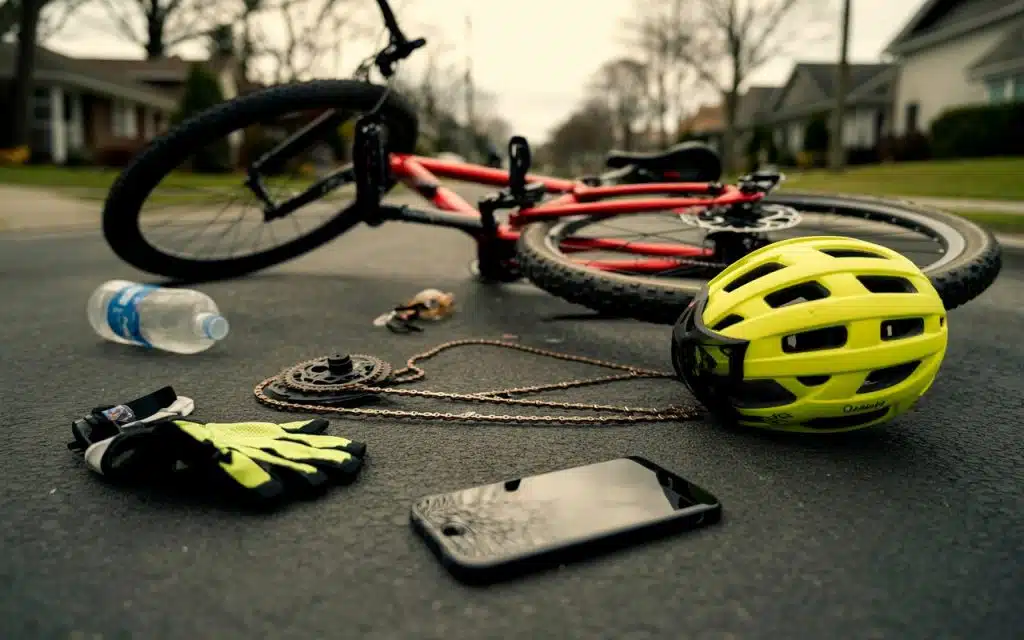
Yet property damage is frequently mishandled. Bikes are repaired too soon, discarded, or stored poorly. Accessories vanish. Electronic components lose data. Clothing gets washed. None of that is unreasonable from the rider’s perspective. They want their life back. But from an evidentiary standpoint, those items may be critical.
It is often wise to photograph the bicycle thoroughly before repairs, preserve damaged parts, and document replacement or repair estimates from a reputable shop. For higher-value bicycles, purchase records, component lists, service history, and pre-crash photos can matter not just for reimbursement but for credibility. A defense lawyer will gladly exploit vagueness around a claimed $8,000 or $12,000 bike if the supporting documents are thin.
Digital evidence has changed these cases
Modern bicycle accident claims increasingly involve technology. Cyclists track rides on watches, phones, head units, and fitness platforms. Drivers may carry smartphones with location records. Nearby vehicles may have dashcams. Intersections, businesses, buses, and residences may have video. Cars themselves may store event data. None of this is guaranteed, but when it exists, it can reshape a case.
The challenge is preservation. Video systems overwrite quickly. App data may need to be downloaded before changes occur. Metadata can matter. Chain of custody can matter. A screenshot may be helpful, but the original file may be better. A lawyer who understands this landscape can send preservation notices, request records, and work with experts when needed.
Not every case requires advanced reconstruction or digital forensics. Many do not. But knowing when technology matters is part of sound judgment. In a simple rear-end bike lane crash, witness testimony and scene photos may be enough. In a fatality case, a disputed intersection turn, or a severe traumatic brain injury matter with no clear eyewitnesses, digital evidence can become central.
Comparative fault is where poor evidence hurts the most
One of the most common defense strategies in bicycle accident claims is to argue that the rider shares responsibility. Depending on the jurisdiction, that can reduce recovery or, in some cases, bar it if the rider’s percentage of fault crosses a threshold. This is where evidence becomes decisive.
The defense may claim the cyclist wore dark clothing at dusk, failed to use lights, rode outside the bike lane, ignored a signal, or moved unpredictably. Some of those points may have merit in a given case. Many are exaggerated. The only reliable way to sort that out is evidence.
A rider’s light mounts, battery charge logs, helmet camera footage, clothing photos, route data, and witness observations can all matter. So can the road design itself. In some places, leaving a bike lane is lawful and prudent when avoiding debris, parked cars, turning conflicts, or unsafe surface conditions. A lawyer who knows cycling norms and traffic law can frame those choices accurately, but only if the underlying facts were preserved.
This is one reason cyclists should be careful about casual statements after a crash. It is natural to say “I’m sorry” or “I didn’t see him either” while dazed and in pain. Those words can later be recast as admissions. Early evidence helps place scene statements in proper context instead of allowing isolated snippets to define the case.
The first days after a crash often shape the entire outcome
The most useful post-crash actions are usually practical, not dramatic. They revolve around preserving reality before someone else reframes it.
Here are the steps that most often matter:
- Get medical attention and make sure the records clearly tie the visit to the crash.
- Photograph everything available, including the scene, the bicycle, the vehicle, visible injuries, road markings, and surrounding businesses or cameras.
- Preserve physical items, especially the bike, helmet, clothing, lights, and damaged components.
- Identify witnesses and obtain direct contact information before people disappear.
- Speak with a Bicycle Accident Lawyer early enough to preserve video, vehicle data, and other time-sensitive evidence.
None of these steps guarantees a successful claim. They simply protect the truth from being lost.
Good evidence also improves settlement leverage
A strong case does not always go to trial, but trial-ready evidence often drives better settlements. Insurance carriers evaluate risk. When they see a file with vague allegations, inconsistent treatment, and few visuals, they know they have room to resist. When they see a coherent package of liability proof, documented injuries, preserved property damage, and credible witness support, their evaluation changes.
This affects timing as well. Cases built on weak records often drag. There are repeated requests for more documentation, more explanations, more investigation. Cases built on strong early evidence tend to move with more focus because the factual disputes are narrower.
That leverage matters for injured cyclists who are facing real financial pressure. Medical bills accumulate. Time off work creates strain. Replacement transportation costs money. If a lawyer can present a well-supported demand instead of spending months patching evidentiary holes, the client is in a stronger position from the start.
Not every case is obvious, and that is exactly why evidence matters
Some collisions are unmistakable. A sober driver runs a red light in broad daylight, strikes a rider in a crosswalk, and multiple cameras capture it. Those cases exist, but they are not the norm. More often, the facts arrive messy. The rider is injured and shaken. The driver claims surprise. The police report is thin. The intersection is awkward. The witness is uncertain. The video is incomplete.
That uncertainty does not mean the rider lacks a valid claim. It means the case needs disciplined evidence work.
There are also edge cases where evidence protects both sides from overreach. Sometimes the cyclist truly did make a risky move. Sometimes road conditions played a larger role than the initial narrative suggests. Sometimes a crash that looked minor led to substantial injury, and sometimes a dramatic-looking impact resulted in a shorter recovery than expected. Good evidence does not just strengthen claims. It sharpens them. It allows fair valuation and honest assessment.
The case is built long before anyone walks into a courtroom
By the time a bicycle accident case reaches mediation, serious settlement talks, or trial, much of its strength has already been determined. Not by eloquence, and not by legal theatrics, but by what was gathered, preserved, and understood early.
A Bicycle Accident Lawyer cannot create evidence that no longer exists. What they can do is recognize what matters, move quickly, and assemble a record that shows how the crash occurred, why the driver or other responsible party should be held accountable, and what the injury has truly cost the cyclist.
For injured riders, that distinction is critical. A legal claim is not won by the fact of injury alone. It is won by proof. Evidence gives the case structure, credibility, and force. It turns a painful event into a documented claim that can stand up to denial, minimization, and blame shifting.
When a bicycle collision disrupts someone’s health, work, mobility, and peace of mind, the truth deserves more than memory. It deserves preservation.
CGH Injury Lawyers
2701 Lawrence St Suite 201
Denver, CO 80205, United States
Phone: +1 720-669-8062
FAQ About Bicycle Accident Lawyer
Who is at fault if a car hits a bicycle?
Fault depends on the evidence and the traffic rules that applied to the collision. A driver, cyclist, or another party may share responsibility. Police reports, witness accounts, video, and the physical evidence can help establish what happened. A collision with a car does not automatically determine legal fault.
Can you sue someone for hitting you on a bike?
You may have a claim when another person's negligent conduct causes your injuries and losses. The available evidence, applicable deadlines, insurance coverage, and any shared fault affect your options. A lawyer can review the circumstances and explain whether an insurance claim or lawsuit is appropriate; compensation is not guaranteed.
What percentage does an injury lawyer usually take?
There is no single percentage that applies to every injury case. Many lawyers use a contingency fee based on a share of the recovery, with the terms stated in a written agreement. Ask how the percentage is calculated, whether it changes during litigation, and how case expenses are handled before signing.